
use case
Automated Penetration Testing
Run an online automated penetration test for networks, servers, and websites.


what it is
What is automated penetration testing?
Automated penetration testing is a process that uses tools to efficiently test a system for exploitable security vulnerabilities. Any computer code is susceptible to security flaws and can be tested for weaknesses. The most common pentesting tools are for websites, servers, and networks. However, tools also exist to test mobile applications, IoT devices, LLMs, hardware chips, and more.
Penetration testing is typically conducted as black box testing. Black box testing is when the test is performed from the outside without special internal information or access. This style of testing simulates what a real attacker would see and do. The goal of automated penetration testing is to quickly and scalably test for thousands of common security problems.
What is the difference between automated and manual pentesting?
Automated pentesting is very good at testing for common security threats at scale. It's impossible to manually test IT systems for all potential security vulnerabilities. In 2023, almost 29,000 new CVEs were published. Each IP address could expose applications on any of the 65,535 TCP ports. Automated pentesting tools can quickly test for many of these issues.
Manual pentesting is when a cybersecurity professional conducts the testing. A skilled person is able to connect the dots to find more nuanced issues that are specific to the system being tested, which a general automated tool might miss. Pentesters will actually use the automated pentesting tools as part of their process. They will then take those results and perform extra analysis to confirm issues, mark false positives, and look for related issues.

65,535
TCP ports per IP address
28,961
Published CVEs in 2023

$4.88M USD
Average data breach cost
Will automated pentesting replace human pentesters?
No. Automated pentesting will continue to improve, but instead of replacing human pentesters, the advances in automation will empower humans to focus more on the details and complexities of each system and less on the basics. Manual expertise is still very important in assessing each specific system and in analyzing the results from automated tools to prepare a high-quality report with all the right details and low false positives. Organizations should perform automated testing frequently to catch many issues as quickly as possible while still conducting manual penetration tests to look for additional security flaws.
What is the difference between automated pentesting and vulnerability scanning?
This is a very common question and the answer is that these terms are often used interchangeably. Vulnerability scanners are one of the most common automated tools used in penetration testing. Additionally, pentests may use other tools such as discovery tools and network monitoring tools.
Vulnerability scanning is a broad space. Penetration tests typically use scanners such as web application scanners and network vulnerability scanners, which perform black box testing from an attacker's perspective. Other scanners such as source-code analysis tools are used less frequently in pentesting. Although those tools can still be used to give pentesters extra information and direction on what areas to try and exploit during testing.
how it works
What tools are used for automated pentesting?
There are many tools both proprietary and open-source to assist with pentesting. Some of the most common tools used are Nmap, Metasploit, OpenVAS, and ZAP.
NMAP Network Port Scanner
Run a full port scan to discover your attack surface area and any misconfigured firewall rules.
OpenVAS Network Vulnerability Scanner
Run a network vulnerability scan to discover outdated and vulnerable software, such as out-of-date openssh services.
OWASP ZAP Web Application Scanner
Run an automated web application penetration test to find SQL injection vulnerabilities, cross-site scripting vulnerabilities, and more.
buying guide
What to look for in an automated pentesting product?
The first thing to know is that no pentest, automated or manual, is guaranteed to find every security issue. If a company is promising 100%, they are lying and shouldn't be trusted. That said, there are many good products which can effectively reduce cybersecurity risk in significant ways. Here are 4 more things to look for:
Coverage:
Some products are specific to just one area of testing. You need to understand what systems you want tested and then determine if you will select a single company which can test all of them or if you are okay piecing together multiple products.
Price vs Quality:
In the penetration testing industry, price is not always an indication of quality. While some high-priced solutions may be worth it, others are charging six or even seven figures to run the same underlying open-source tools that could be run for a much lower price. Make sure to ask potential vendors what exact tools and software they use.
Reporting:
Conducting a penetration test is only the first step. Organizations then have to review the findings, prioritize them, and make fixes. This often involves coordination between executives, developers, sysadmins, contractors and vendors. A high-quality report makes the entire process easier for everyone on the team.
Continuous Testing:
A great feature of automated pentesting tools is that they can be run again and again with little extra effort. Whereas a manual pentest is time-consuming and often conducted only annually. Running the automated tools regularly helps find problems sooner and get issues fixed early. Use frequent automated scanning to protect your business and make the annual pentest go smoothly with fewer surprises.
Benefits of using HostedScan
Strengthen your
cybersecurity
resilience
Strengthen your cybersecurity resilience
Strengthen your
cybersecurity
resilience
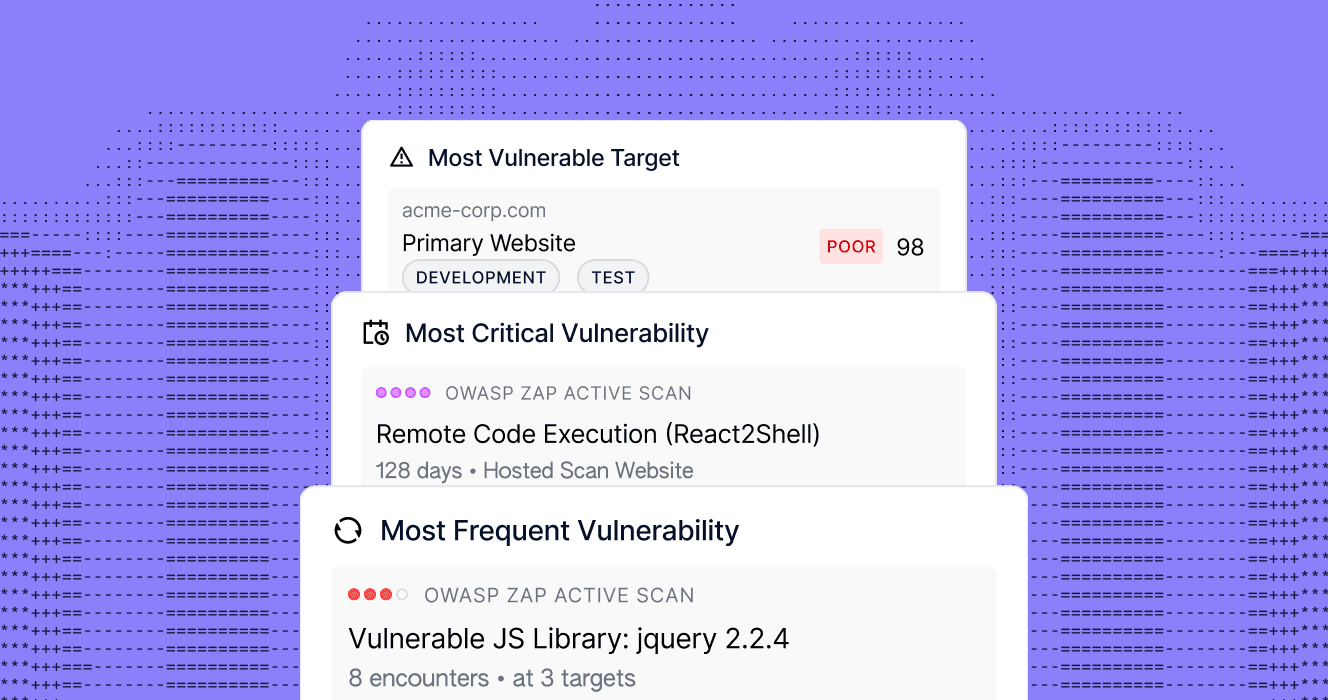
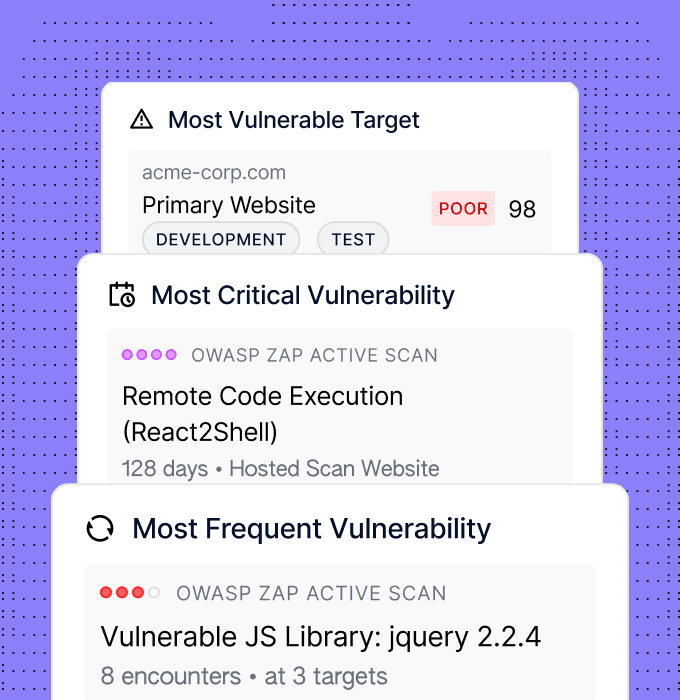
Mitigate security vulnerabilities
Discover CVEs, OWASP Top 10 vulnerabilities, and exploitable weaknesses across your entire infrastructure. Get prioritized remediation guidance with CVSS scoring and actionable risk classifications. Fix what matters first.
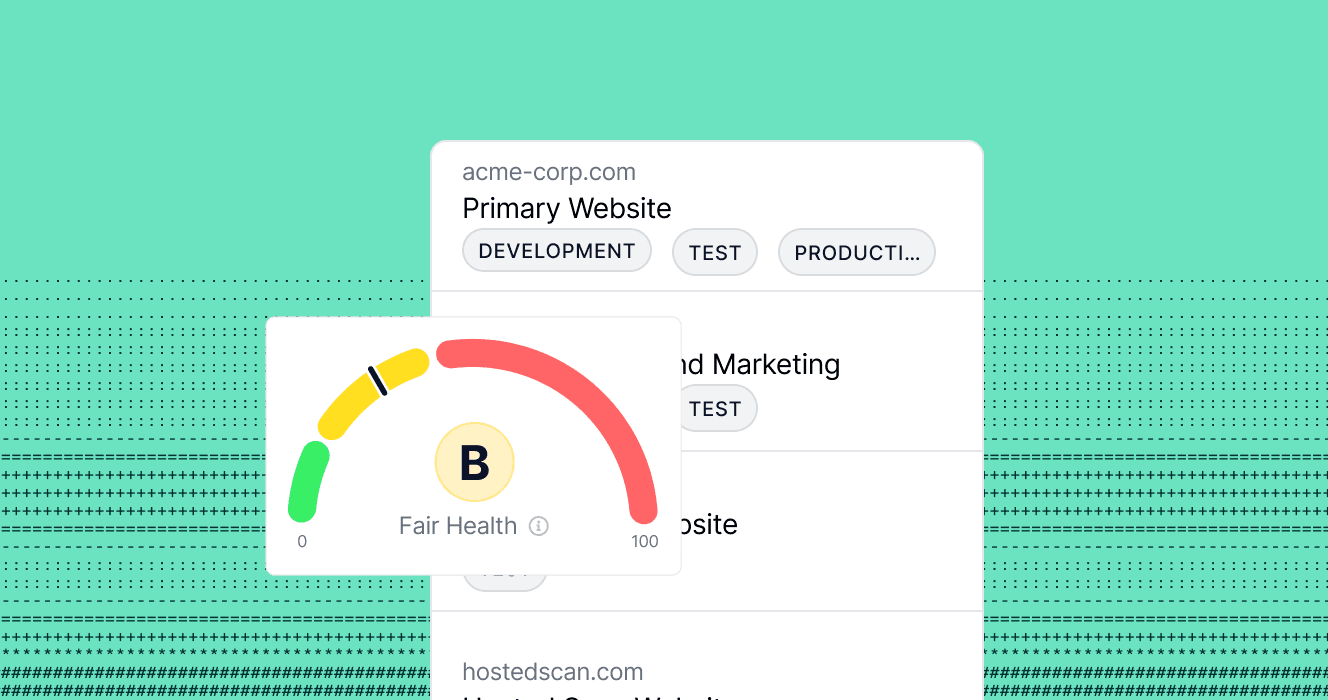
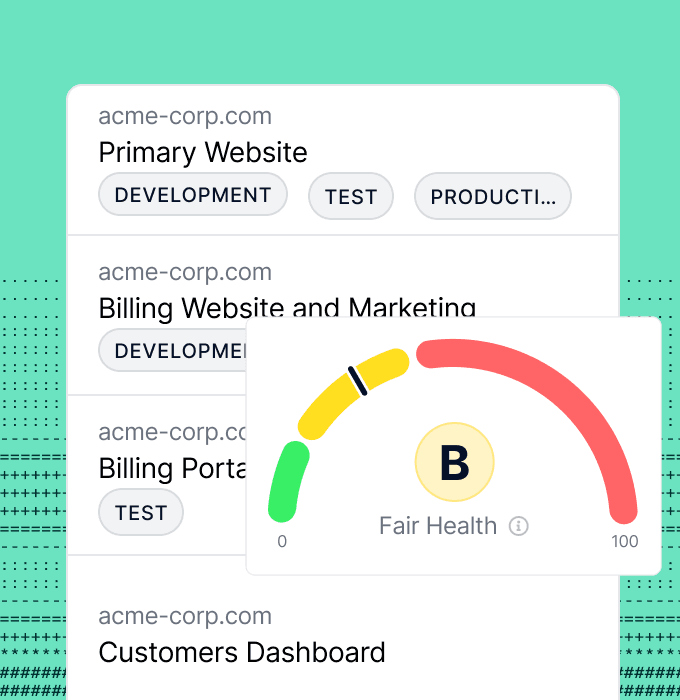
Manage your risk exposure
With regulations such as GDPR and CCPA, failure to maintain reasonable security procedures is grounds for lawsuits and fines.
Meet compliance requirements
Vulnerability scanning is essential for your compliance with SOC 2, ISO 27001, cyber insurance, and more.
Detect misconfigurations
90% of cyber attacks exploit simple misconfigurations, not zero-days. Detect exposed ports, weak credentials, outdated software, and common security gaps before attackers do: automatically, every day.
Map your attack surface
Your infrastructure changes constantly. Automatically discover and monitor all websites, servers, networks, and APIs, maintaining complete visibility of your attack surface without manual tracking.
14 days free. No credit card required.
See a sample reportOur Customers
5,000+ MSPs and IT teams who move faster













Speed and power,
without the complexity
The world's leading vulnerability scanners, all in one platform.